The One Layering Mistake Making You Sweat, Then Freeze, All Day

Quick Answer: The most common transitional-weather mistake is adding too many thick layers instead of fewer, adjustable ones — three thin, removable layers regulate temperature swings far better than one thick jacket over a sweater.
You leave the house bundled for the 45°F morning, and by 2pm you’re sweating and carrying half your outfit. More layers isn’t the same as better layering.
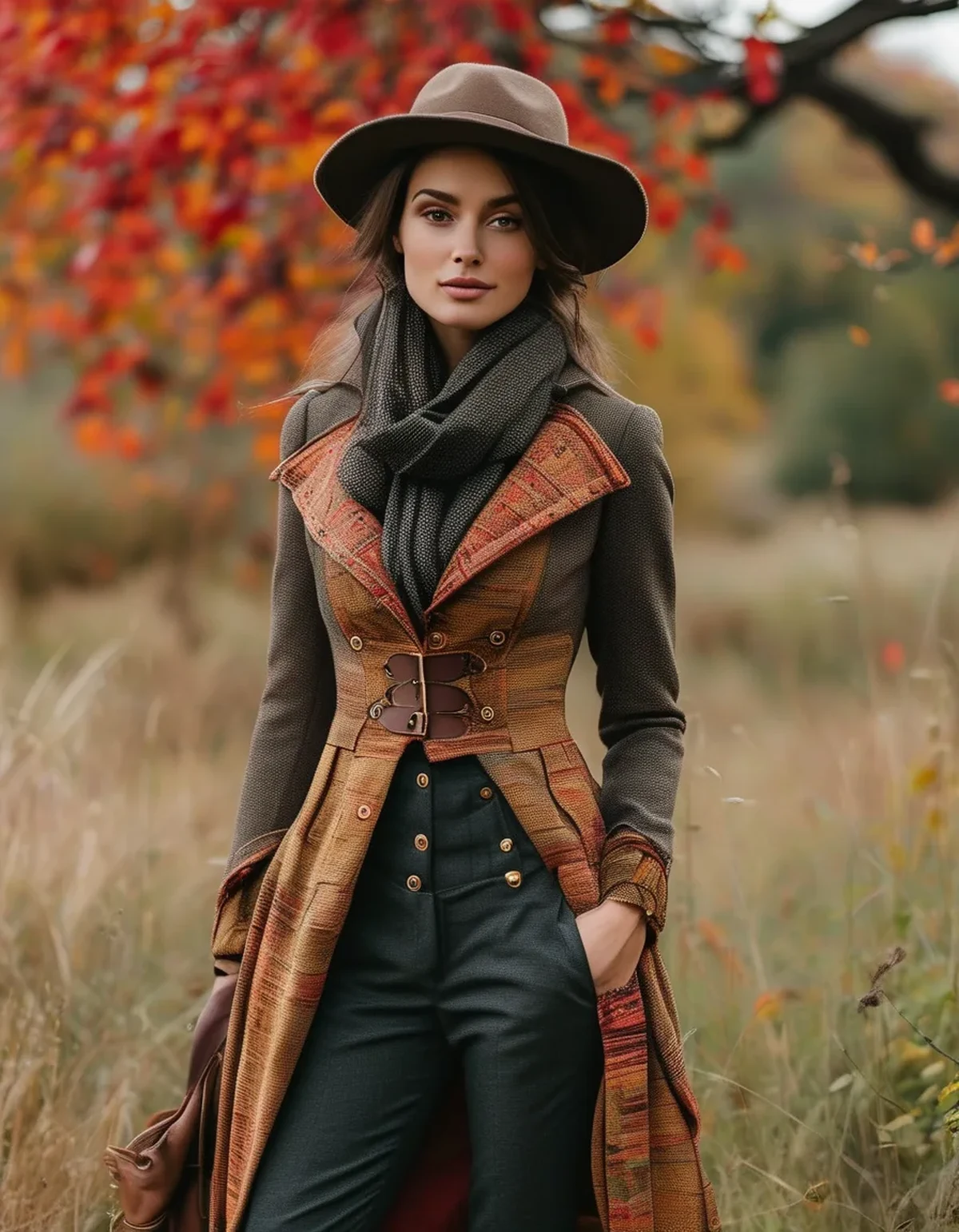
Why does over-layering backfire in transitional weather?
Adding multiple thick layers gives you only a few big temperature ‘steps’ to work with — hot in the thick coat, or cold without it, with nothing in between. Transitional weather often swings 15-20°F between morning and afternoon, and thick layers can’t fine-tune to that range the way thinner, stackable pieces can.
The goal isn’t fewer clothes, it’s more adjustable steps between your warmest and coolest configuration.
What does good transitional layering actually look like?
Three thin layers beat two thick ones: a breathable base layer, a light mid-layer (cardigan or light sweater), and a packable outer layer (light jacket or vest) that can be removed and carried easily. Each layer should be genuinely removable without you having to strip down to just a base layer in public.
Choose an outer layer that packs down small — if it’s too bulky to comfortably carry once removed, you’ll keep wearing it past the point of comfort just to avoid holding it.
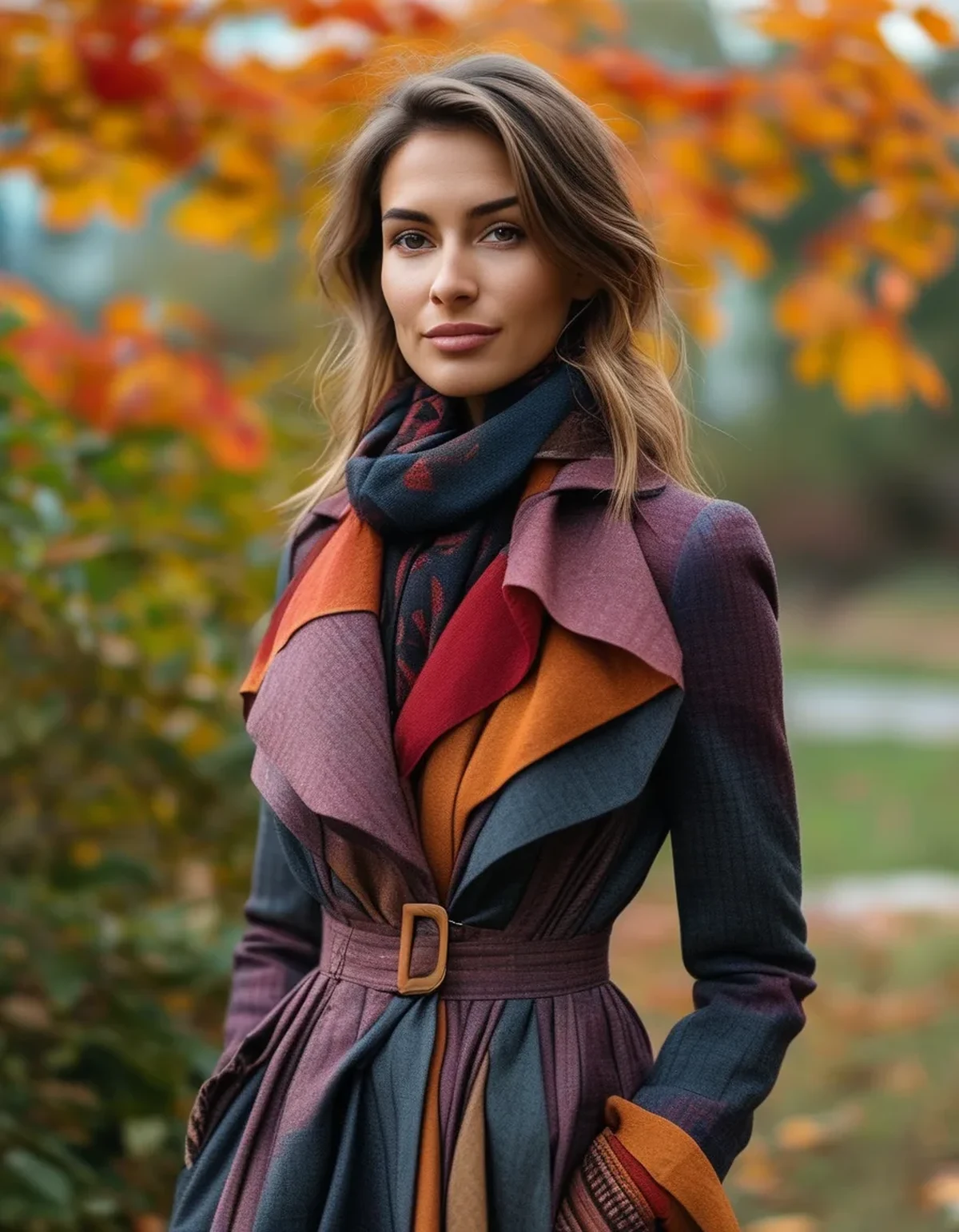
5 Looks to Try for Transitional Weather
- Base tee + light cardigan + packable vest — versatile for a wide temperature range
- Long sleeve + light jacket, sleeves rollable for a mid-morning warm-up
- Layered tank + open button-down + light scarf that can be removed piece by piece
- Base layer + zip-up hoodie, easy to tie around the waist once warm
- Fitted long sleeve + structured blazer, work-appropriate and easy to shed
How do you choose fabric for transitional layering?
Breathable natural fibers (cotton, light merino) or performance synthetics regulate temperature better than heavy fleece or thick knits, which trap heat once you warm up and become uncomfortable fast. Merino wool specifically is excellent for transitional weather since it insulates when cool and breathes well once you’re active or the temperature rises.
Avoid non-breathable synthetic outer shells as a mid-layer — they’re fine as a final wind/rain layer, but trap heat uncomfortably if worn as the middle piece of a layered outfit.
FAQ: Transitional Weather Layering Questions, Answered
How many layers is actually ideal for fall or spring weather?
Three thinner layers generally outperform one or two thick ones for temperature-swing days, since each layer can be added or removed independently.
What’s the best ‘carry-friendly’ outer layer?
A packable, lightweight jacket or vest that folds small into a bag once removed, rather than a bulky coat you’re stuck holding all day.
Is merino wool worth it for transitional dressing?
Yes for most people — it insulates when cool and breathes well when warm, which is exactly the flexibility transitional weather demands.
TL;DR:
- Too many thick layers gives you fewer usable temperature ‘steps,’ not more
- Choose three thin, genuinely removable layers over two thick ones
- Pick a packable outer layer you won’t mind carrying once removed
- Breathable natural fibers and merino outperform heavy fleece for swings
Next transitional-weather morning, swap one thick layer for two thin ones — you’ll likely spend less of the day either sweating or freezing.
Keep Reading
This article is for general informational and styling purposes only. Fit, sizing, and product availability may vary.