The Fabric Choice That Matters More Than Layer Count During Season Transitions

Quick Answer: Breathable, moisture-wicking fabrics for base layers and mid-weight, easily removable outer pieces handle transitional weather more effectively than simply adding more layers of any fabric, since fabric choice determines how well an outfit adapts to both a chilly morning and a warmer afternoon within the same day.
More layers without the right fabric underneath just means more bulk to remove and carry once the temperature climbs — fabric choice solves the actual problem more efficiently.
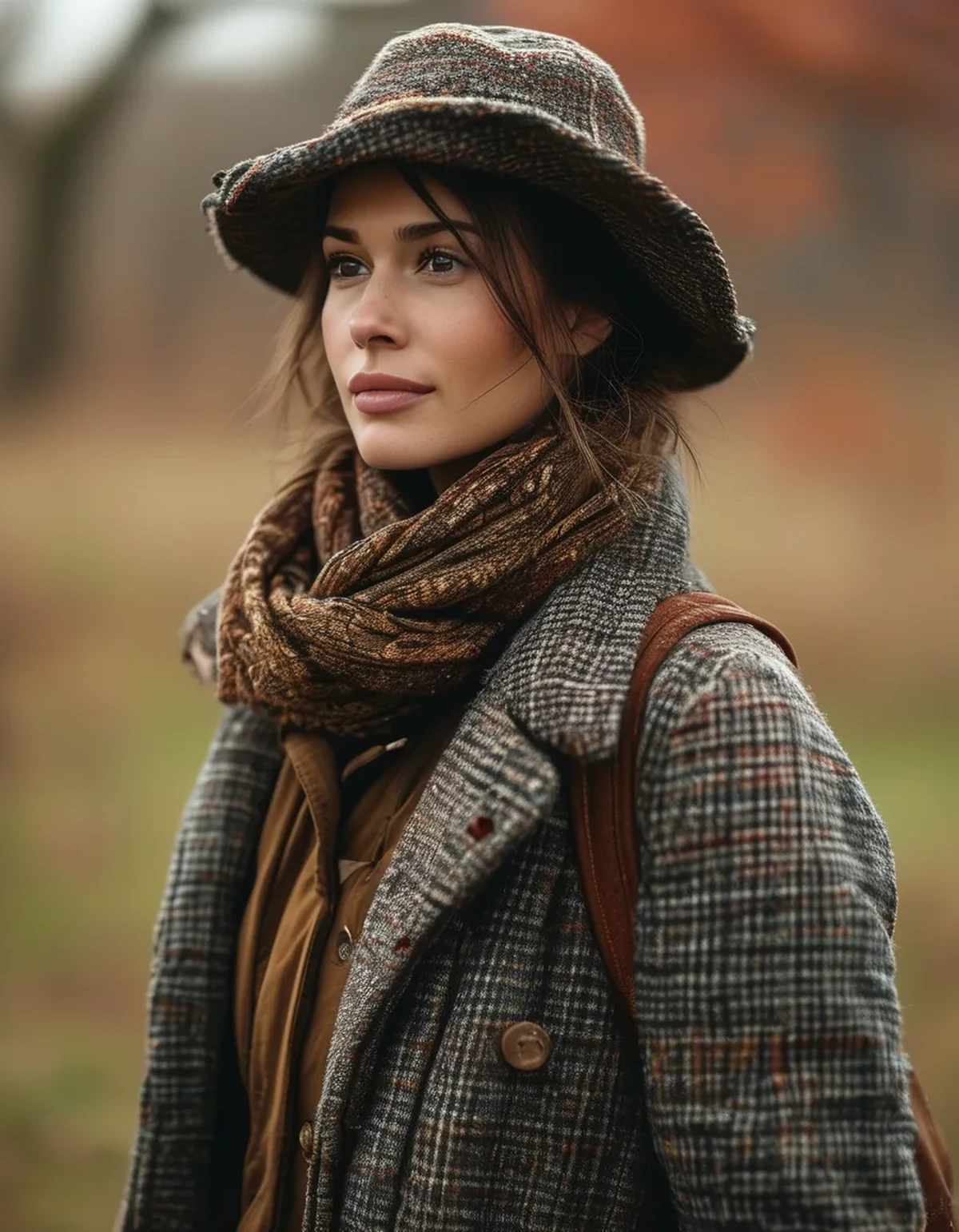
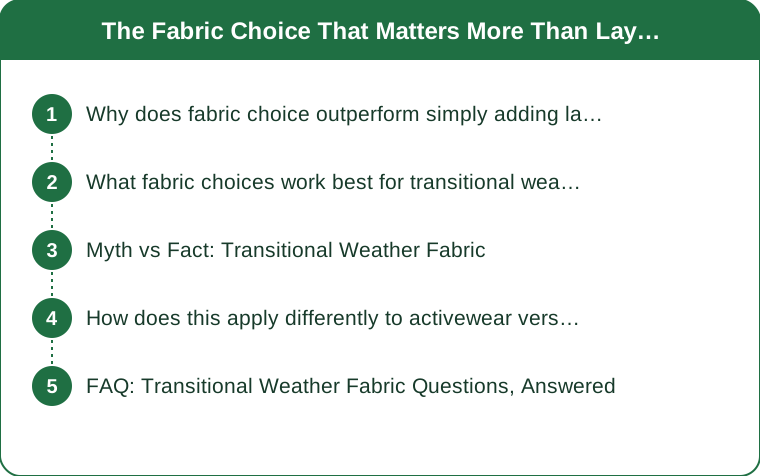
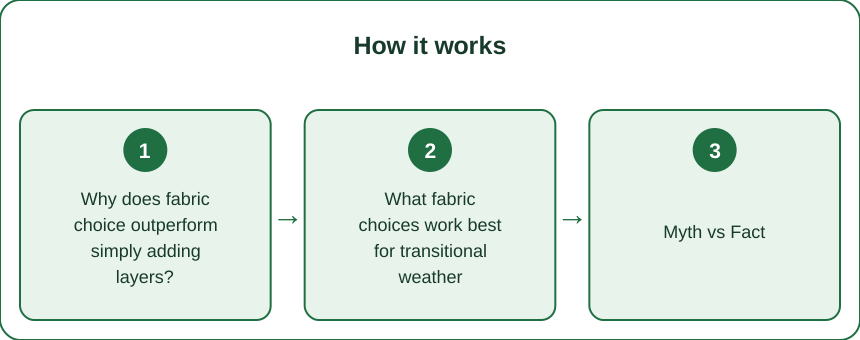
Why does fabric choice outperform simply adding layers?
Non-breathable fabrics trap heat and moisture regardless of how many layers are worn, meaning a poor fabric choice can feel too warm even in a light single layer.
Breathable, moisture-wicking fabrics regulate temperature more effectively across a wider range, reducing the total number of layers needed to stay comfortable through a full temperature swing.
What fabric choices work best for transitional weather specifically?
A moisture-wicking synthetic or blended base layer handles both cool starts and warmer activity well, since it manages sweat without holding onto dampness the way cotton does.
A mid-weight, packable outer layer in a breathable material covers the coolest part of the day while still being easy to remove and stuff into a bag once temperatures rise.
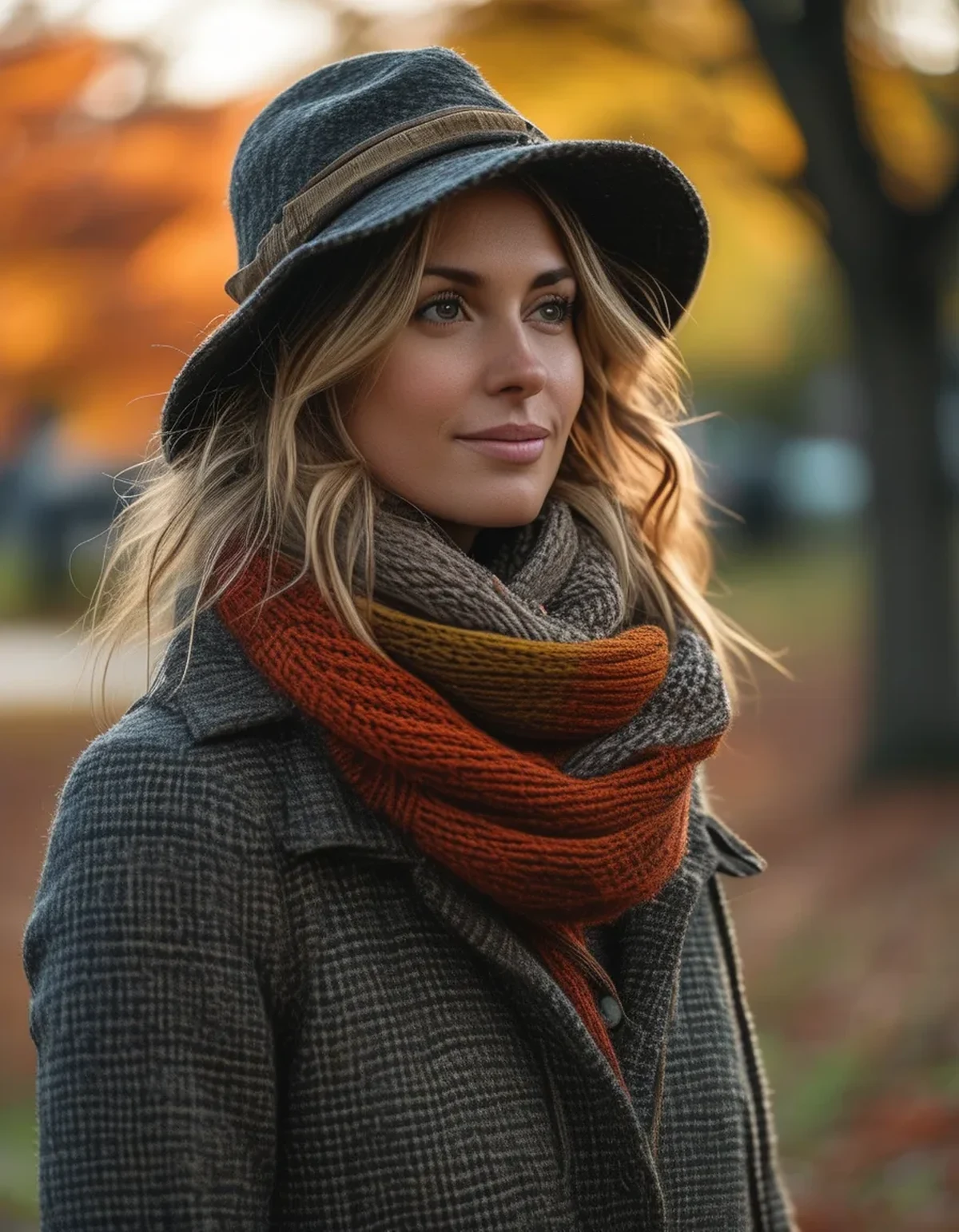
Myth vs Fact: Transitional Weather Fabric
Myth: cotton is a fine choice for transitional weather since it’s a natural, breathable fiber. Fact: cotton holds onto moisture and dries slowly, which can leave it feeling damp and uncomfortable through a temperature swing compared to moisture-wicking synthetics.
Myth: more layers is always the safer bet for unpredictable weather. Fact: the right fabric in fewer layers often adapts better across a temperature range than several layers of a poor fabric choice.
How does this apply differently to activewear versus everyday outfits?
For activewear specifically, moisture management matters even more due to sweat, making synthetic or technical blends a clearer choice than natural fibers for transitional-weather workouts.
For everyday outfits, a breathable natural-synthetic blend often balances comfort and temperature regulation well, without needing fully technical fabric.
FAQ: Transitional Weather Fabric Questions, Answered
Is wool a good option for transitional weather layering?
Merino wool specifically performs well due to its natural moisture-wicking and temperature-regulating properties, though it’s a different feel than synthetic blends.
Does fabric weight matter as much as fabric type for this purpose?
Both matter — a lightweight, breathable fabric type in a mid-weight construction tends to be the most versatile combination for transitional conditions.
Can the same fabric strategy work for both morning cold and afternoon heat?
Yes, that’s the specific advantage of the right fabric choice — it reduces the need to fully change outfits as the day’s temperature shifts.
TL;DR:
- Fabric choice affects comfort across a temperature range more than layer count alone
- Moisture-wicking base layers and breathable, packable outer layers cover both ends of the day
- Cotton holds moisture and underperforms compared to technical or blended fabrics for this purpose
- Activewear benefits even more from synthetic or technical blends due to sweat management
Before adding another layer, check whether a better fabric choice would solve the problem with less bulk.
Keep Reading
This article is for general informational and styling purposes only. Fit, sizing, and product availability may vary.