The Layering Formula for Workouts When It's Cold at 6am and Warm by Noon

Quick Answer: Build around three light layers instead of one heavy one — a breathable base, a light mid layer, and a packable outer shell — so you can remove one piece at a time as the temperature climbs, rather than overheating in a single heavy layer or being stuck cold without a spare. Three thin layers adapt better than one thick one.
A 6am workout in transitional weather starts genuinely cold and can end 40 minutes later noticeably warmer, and a single heavy layer solves neither end of that range well.
Why does the three-thin-layers approach work better than one heavy layer?
Each thin layer can be removed independently as your body warms up or the outdoor temperature rises, giving you fine control over warmth throughout the workout. One heavy jacket is either on (too warm mid-workout) or off (too cold at the start) with no useful middle setting.
What should each of the three layers actually be?
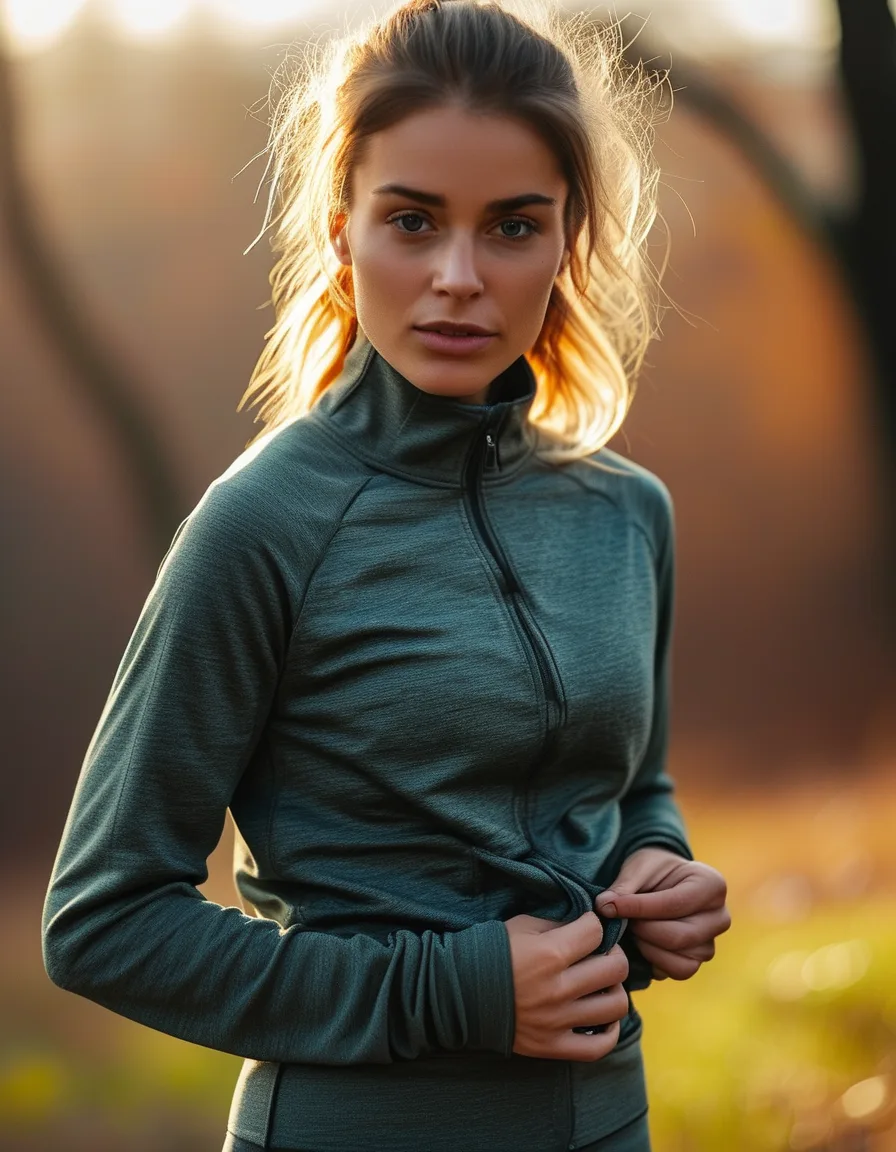
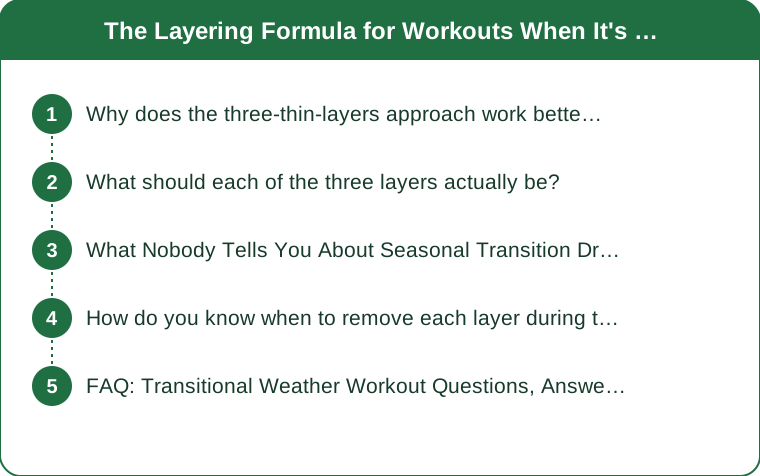
A moisture-wicking base layer that stays on the whole time, a light long-sleeve or vest for the initial cold, and a packable, compressible outer shell for the very start of an outdoor session. The outer shell should fold small enough to tie around your waist or stuff in a small bag once removed.
What Nobody Tells You About Seasonal Transition Dressing
The temperature swing within a single workout is often larger than the swing between actual seasons that week. Dressing for ‘today’s forecast’ misses this — the layering system needs to handle the range within one session, not just the daily high or low.
How do you know when to remove each layer during the workout?
Remove the outer shell within the first 10-15 minutes, once your body has generated enough heat from moving — this is almost always sooner than it feels like it should be. The mid layer typically comes off next if the workout runs long or intensity increases significantly.
FAQ: Transitional Weather Workout Questions, Answered
How many layers is actually practical to carry during a workout?
Three is the practical maximum for most people — enough flexibility without becoming cumbersome to carry once removed.
What fabric works best for the base layer specifically?
A moisture-wicking synthetic blend stays functional even as your body warms and starts sweating, unlike cotton which gets heavy and cold once damp.
Is it better to start slightly cold or slightly warm at the beginning of a workout?
Slightly cold is generally more comfortable overall — your body warms up within minutes, while starting overdressed means overheating discomfort for the entire session.
TL;DR:
- Three thin layers adapt better than one heavy layer for temperature swings
- Use a moisture-wicking base, a light mid layer, and a packable outer shell
- Remove the outer shell within the first 10-15 minutes of moving
- It’s better to start a workout slightly cold than overdressed and overheating
The goal isn’t picking the ‘right’ single outfit for the day’s forecast — it’s a system flexible enough for the swing within one workout.
Keep Reading
This article is for general informational and styling purposes only. Fit, sizing, and product availability may vary.