Why a Transitional-Weather Outfit Can Feel Wrong Even When It's Technically Warm Enough

Quick Answer: A technically warm-enough outfit can still feel wrong in transitional weather because shoulder-season days often swing 15-20 degrees between morning and afternoon, and an outfit built for the average or midday temperature misses both the cold start and the warm peak — the fix is layering for the full daily range, not just the single number on a weather app.
The app said 58 degrees and the outfit was chosen accordingly — except 58 was the afternoon high, the actual morning commute was closer to 42, and by 2pm it felt more like 65 in direct sun. One outfit, three different real conditions.
Why do shoulder-season days have such a wide temperature swing?
Spring and fall days often have clearer skies and lower humidity than summer, and without cloud cover or humidity to retain overnight heat, temperatures drop further after sunset and take longer to recover in the morning before climbing more sharply once the sun is higher, producing daily temperature ranges of 15-20 degrees or more that are much wider than the daily swings typical of summer or winter.
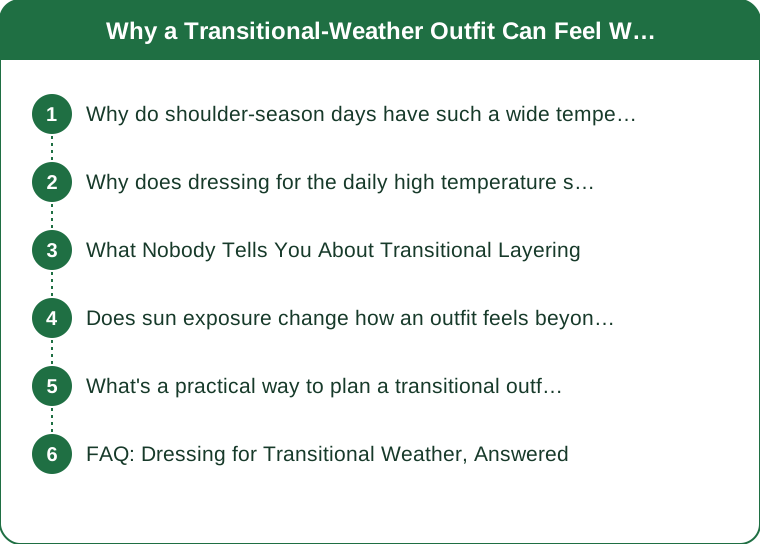
Why does dressing for the daily high temperature specifically go wrong?
A weather app’s single displayed temperature is usually the forecasted high, and building an outfit around that number accounts for the warmest part of the day but leaves the outfit under-equipped for the cold morning hours before that high is reached, which is exactly when many people are commuting, walking a dog, or otherwise outside — meaning the outfit is ‘technically’ warm enough for part of the day and genuinely insufficient for another part of it.
What Nobody Tells You About Transitional Layering
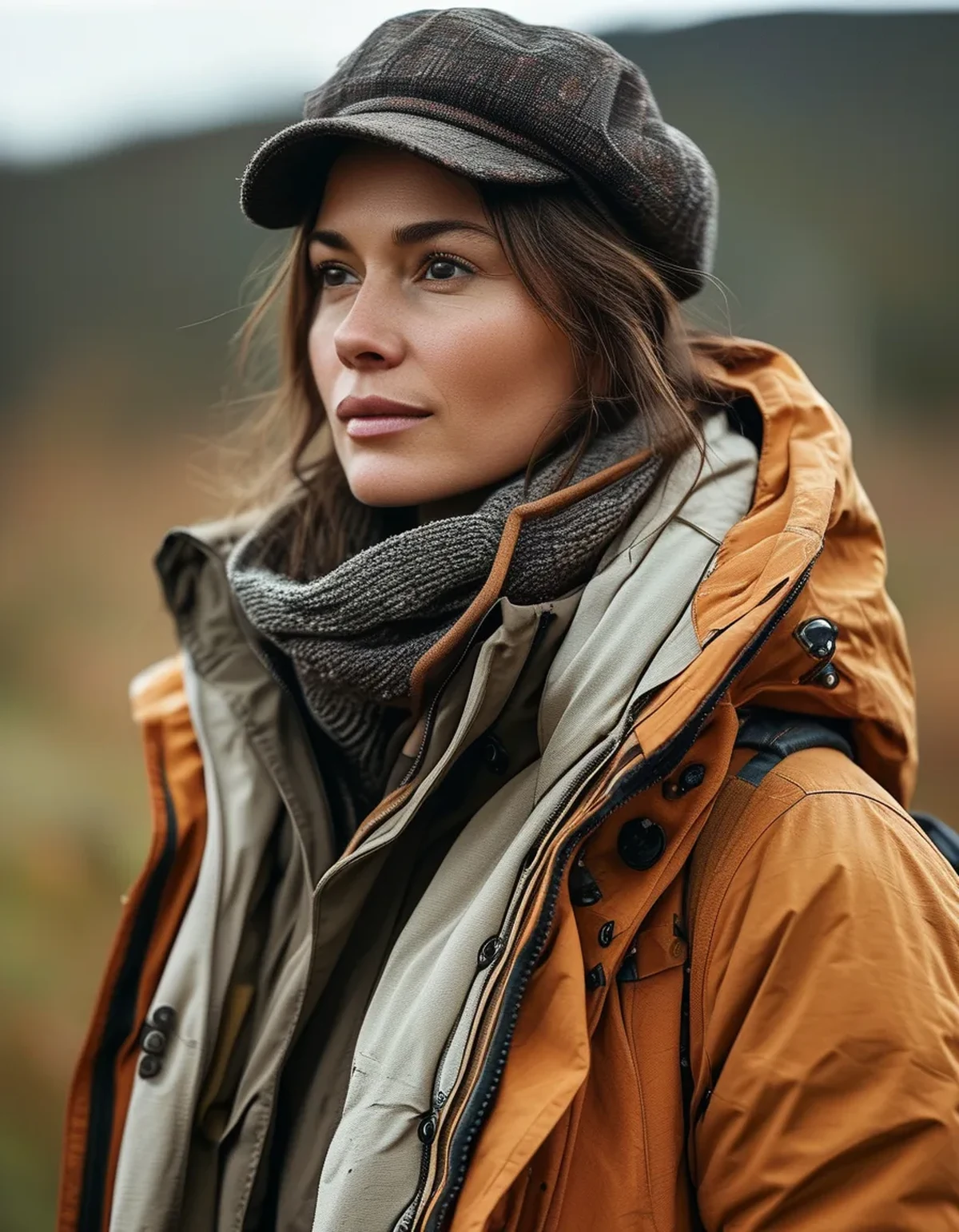
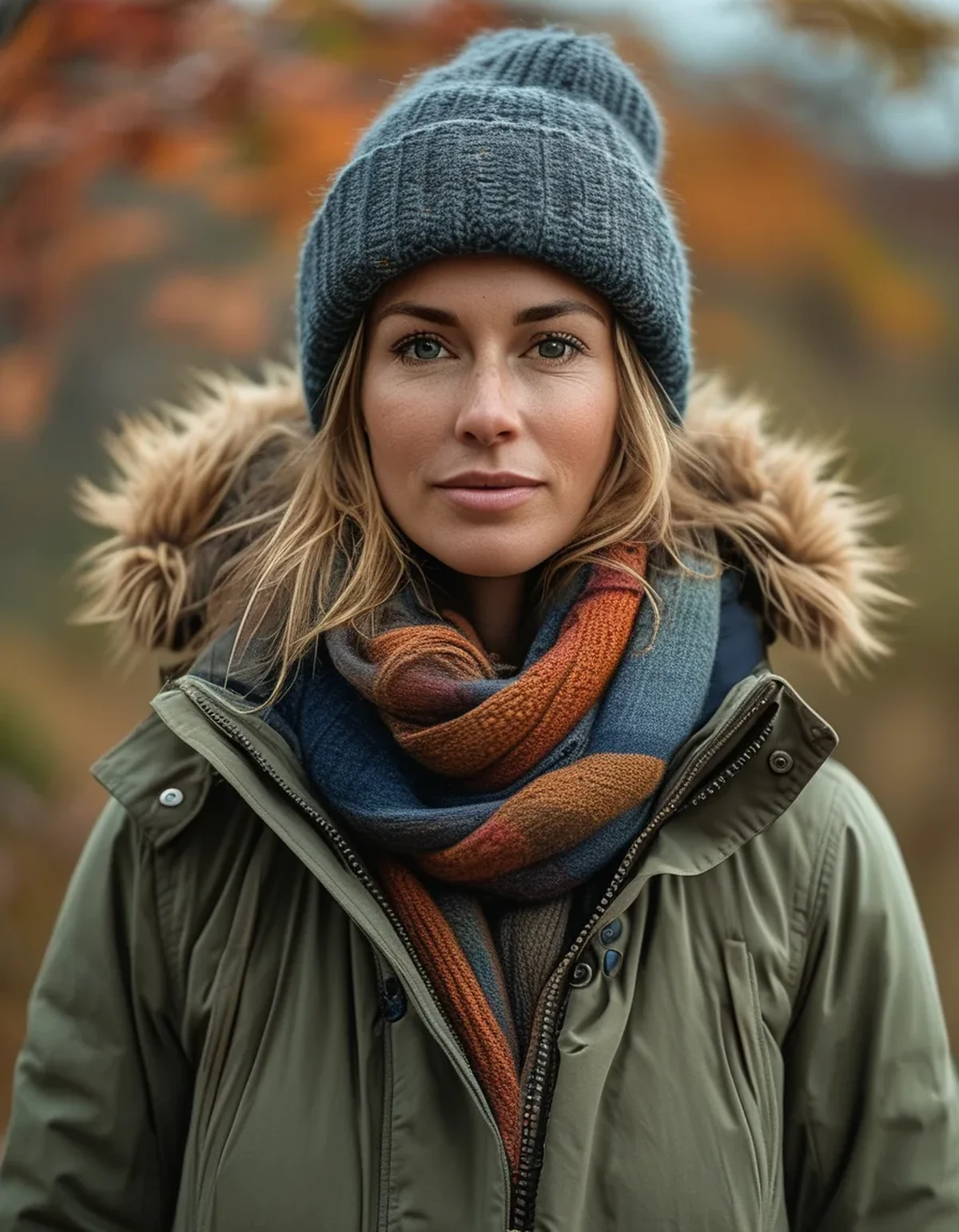
Most style guides frame layering as a purely aesthetic technique, but nobody tells you that in shoulder season, layering is functionally about building an outfit for two or three different real temperatures within the same day, not one — a removable layer isn’t a style choice at that point, it’s the actual mechanism that makes a single outfit workable across a 20-degree daily swing.
Does sun exposure change how an outfit feels beyond the air temperature alone?
Yes, meaningfully — direct sun can make the air feel 10 degrees warmer or more than the actual temperature reading, especially in early fall or spring when the sun angle is still relatively high, meaning an outfit that felt right walking in shade can feel overheated within minutes of crossing into direct sunlight, independent of any actual temperature change.
What’s a practical way to plan a transitional outfit?
Checking both the morning low and the afternoon high (not just one number), then building around a base layer suited to the lower end with one or two easily removable pieces (a jacket, a light scarf) to add or shed as the day progresses, covers the actual range far better than picking a single fixed outfit meant to be worn unchanged from morning to evening.
FAQ: Dressing for Transitional Weather, Answered
Is it better to underdress slightly or overdress slightly for shoulder season?
Slightly overdressing with removable layers tends to work better, since it’s easier to take off and carry a layer than to be stuck cold with nothing extra to add.
Does humidity affect how a transitional outfit feels, separate from temperature?
Yes — a humid 55-degree day can feel different (often damper and cooler) than a dry 55-degree day, so checking humidity alongside temperature gives a more complete picture, particularly for fabric choice.
How far in advance should the daily temperature range actually be checked?
Checking the hourly forecast the morning of, rather than relying on a general daily summary from the night before, gives a more accurate read on the actual swing expected that specific day.
TL;DR:
- Shoulder-season days often swing 15-20 degrees between morning low and afternoon high
- Dressing for the daily high alone leaves an outfit under-equipped for colder morning hours
- Direct sun can make air feel notably warmer than the actual temperature reading
- Checking both the low and high, then layering removable pieces, covers the real daily range
An outfit that feels wrong despite checking the temperature usually wasn’t dressing for the wrong number — it was dressing for only one number in a day that actually needed two.
Keep Reading
This article is for general informational and styling purposes only. Fit, sizing, and product availability may vary.